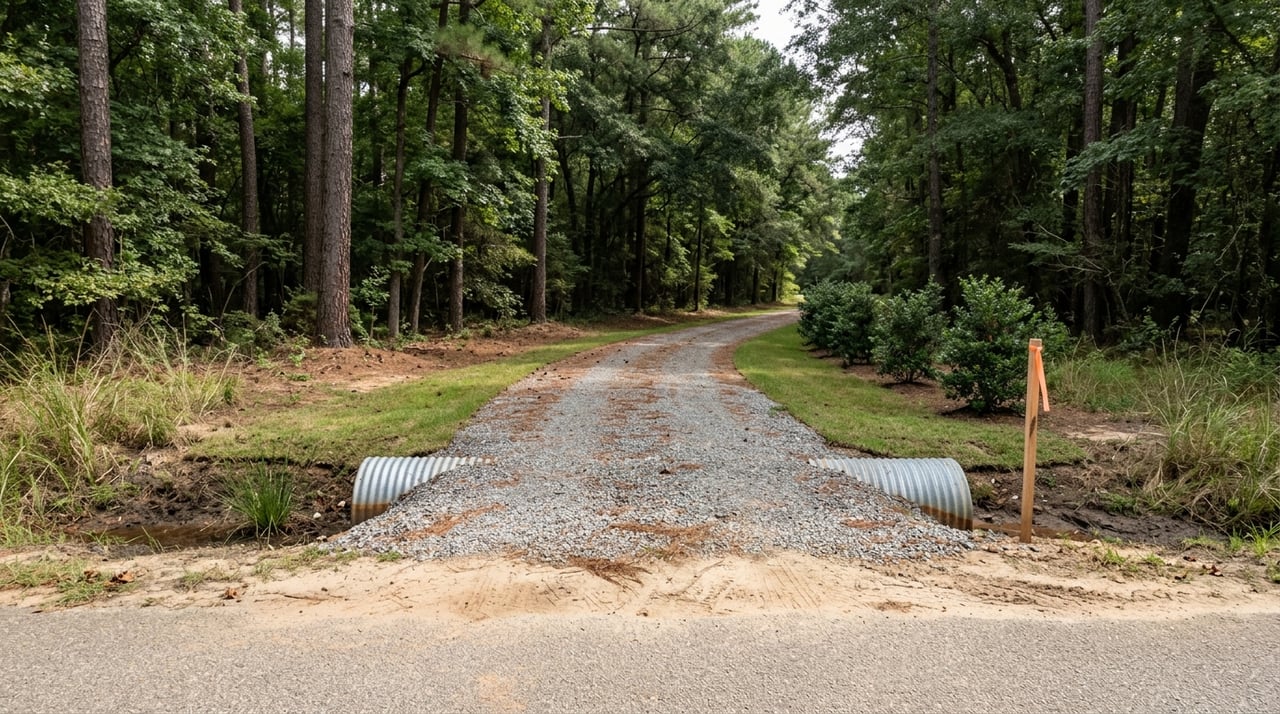
Selling farm or land in Bladen County is not the same as selling a house in town. Buyers usually look past curb appeal and focus on access, boundaries, soils, timber, tax status, and recorded restrictions. If you want fewer surprises and a smoother closing, it helps to prepare the tract before it hits the market. Let’s dive in.
Start With Records and Boundaries
Before you think about pricing or marketing, make sure your core property records are in order. In Bladen County, the Register of Deeds is the official record keeper for deeds, mortgages, plats, and related real estate documents. The county GIS can be a helpful starting point, but the county also says GIS data is compiled from public records and is not a substitute for verification.
That means your first step should be confirming the deed, any recorded plats, and any easements tied to the property. If the lines on the ground do not match what buyers expect, questions can come up quickly during due diligence. On rural land, uncertainty about boundaries can affect value and buyer confidence.
NC State Extension also notes that poorly marked boundaries can lead to trespass and timber theft. If your property lines are unclear, it may be worth addressing that before listing. For tracts with neighboring landowners or shared access roads, clear records and visible boundary information can help prevent confusion.
Review Access Early
Access is one of the first things many land buyers want to verify. A tract may look appealing on a map, but buyers need to understand how they can legally and practically reach it. Recorded easements, road frontage, and access-road locations should be easy to identify.
If your property has limited or unusual access, do not wait for a buyer to discover it. Gather the documents early and be ready to explain them clearly. In some agricultural or commercial situations, North Carolina law may provide a cartway remedy if a tract has no reasonable access, but that is the kind of issue you want reviewed early, not late in the sale.
Check for Conservation Easements
If your land is subject to a conservation easement, pull that recorded document and the survey plat as soon as possible. According to NC DEQ, conservation easements are recorded with the county Register of Deeds and stay in force when ownership changes. Buyers need to understand those restrictions before they commit.
A conservation easement does not automatically stop a sale, but it can shape who the right buyer is and how the property should be marketed. Having the easement and survey ready up front can save time and reduce surprises.
Verify Tax Status Before Pricing
For farm and timber tracts, tax status can be a major part of the value story. If your property is enrolled in present-use value or another deferred tax program, confirm that status before you list. In North Carolina, present-use value taxes qualifying agricultural, horticultural, or forest land based on current use and productivity rather than full market value.
That matters because a change in qualification can carry tax consequences. The North Carolina Department of Revenue explains that if land is disqualified, the current year plus the previous three years of deferred taxes, with interest, will usually become due. Buyers often ask about this, especially when they plan to change how the land is used.
Bladen County Tax Administration handles present-use valuation paperwork locally. It also provides access to property records and tax information, and the county notes that revaluation is effective for the 2026 tax year. Checking the current assessed value and making sure the tax record is accurate is a smart step before pricing.
Consider Timber and Forest Planning
If the tract includes timber, do not treat it as background scenery. Timber can be a meaningful part of the property’s value, and it may affect taxes and buyer interest. The NC Forest Service says a woodland management plan can help protect the land’s qualities and may reduce property taxes if legal requirements are met.
The same agency also notes that timber sales can create both property-tax and income-tax responsibilities. If timber value is a selling point, gather the information buyers will want to review and consider involving a forester early if the timber is a major asset.
Make the Property Easy to Inspect
A buyer should be able to understand the tract without guessing. That does not mean over-improving rural land, but it does mean making it easier to access and evaluate. Simple preparation can help buyers see the property’s strengths faster.
For wooded property, NC Forest Service guidance points to features like soils, water resources, topography, accessibility, haul roads, skid trails, and stream crossings as important planning factors. Even if you are not planning a timber harvest, those same features often shape how buyers judge usability and value.
Walk the property with fresh eyes before listing. If key areas are hard to reach, overgrown, or difficult to interpret, buyers may struggle to picture the tract’s full potential. Better access and better information often lead to better conversations.
Gather Soils and Land-Use Information
Soils are not just a technical issue for lenders or appraisers. On farm, timber, and large-acreage properties, soils and drainage can directly affect buyer interest. USDA NRCS says Web Soil Survey provides soil and related information that helps with land-use decisions, and North Carolina present-use value guidance ties land productivity closely to soil types.
If you have maps, productivity data, drainage information, or prior land-use records, organize them before going live. These details can help buyers evaluate whether the property fits their goals. They can also help support your pricing strategy.
Build a Strong Buyer Packet
One of the best ways to prepare rural land for sale is to assemble a buyer packet. This gives interested buyers a clearer picture of what they are reviewing and can reduce delays once negotiations begin. A well-organized packet also signals that the sale is being handled professionally.
Useful items may include:
- Deed
- Recorded plats
- Easements
- Conservation easement documents, if any
- Soil maps or productivity information
- Tax records and present-use status
- Timber information or management plans
- Aerial maps
- Written leases
- Use-rights documents
NC State Extension strongly recommends written farm leases because they are clearer and more defensible in a sale or transfer. It also notes that leases longer than three years should be recorded with the county Register of Deeds. For timber matters, both NC State Extension and NC Forest Service stress written agreements and clear legal descriptions.
If you do not already have all your supporting records, local offices may be able to help. NC State Extension says landowners may be able to obtain crop-production history, aerial photos, and NRCS program information through the county FSA office, and the county Conservation District or Extension office may help identify soil, hydrologic, and environmental features.
Price Rural Land on Rural Factors
A common mistake is pricing land the way a seller would price a house lot or residential home. Rural buyers usually compare tracts based on function as much as location. Acreage alone rarely tells the full story.
In Bladen County, buyers often want to know about access, road frontage, drainage, tillable acres, timber volume, improvements, and any restrictions. The North Carolina Department of Revenue notes that market value depends on factors such as location and zoning, while present-use value depends on current productivity and soil type. The NC Forest Service also treats site conditions, timber size and species, and accessibility as major value drivers.
Here is a simple way to think about it:
| Factor | Why It Matters |
|---|---|
| Access | Affects usability and buyer confidence |
| Boundaries | Reduces disputes and due diligence issues |
| Soils and drainage | Helps buyers assess productivity and use |
| Timber | Can add measurable value |
| Restrictions or easements | May limit or shape future use |
| Leases or use rights | Affects possession and income potential |
When your pricing reflects how rural buyers actually evaluate land, your listing is more likely to attract serious interest.
Market the Tract With Facts
Photos matter, but they are only part of the story for farm and land sales. Buyers usually need maps, legal details, and practical tract information before they can make a confident decision. The more clearly you present the property, the easier it is for buyers to compare it to other options.
NC State Extension says timber bid invitations should include location and tract maps, legal descriptions, how boundaries are marked, any buffers or exclusions, and descriptions of volumes, species, size classes, and quality. Even when you are selling the land as a whole rather than just timber, that same level of detail helps buyers understand what they are purchasing.
For many Bladen County tracts, strong marketing materials should include:
- Parcel maps
- Approximate road frontage
- Access details
- Boundary marking information
- Soil or drainage notes
- Tillable acreage estimates, if available
- Timber details, if material to value
- Recorded restrictions or easements
- Lease terms, if applicable
This is also where local representation matters. A land listing often needs more than broad exposure. It needs clear positioning, accurate information, and coordination with the professionals involved in title, tax, and closing.
Prepare for Buyer Due Diligence and Closing
Rural transactions often involve deeper due diligence than a typical home sale. Buyers may want to confirm access, boundaries, soils, recorded easements, lease terms, conservation restrictions, and tax status before moving forward. If those items are organized early, the process often runs more smoothly.
Closing preparation matters too. Bladen County states that a deed must be accompanied by a certification form unless it is submitted under the supervision of a closing attorney with the county’s required statement. That is one more reason to coordinate title and closing steps before the transaction reaches the final stretch.
At Tatum Realty, this kind of preparation is part of the value of working with a local, hands-on team. When a property has acreage, timber, tax considerations, or multiple moving parts, early coordination can make a real difference.
If you are thinking about selling farm or land in Bladen County, careful preparation can help you protect value and avoid preventable delays. For local guidance and full-service support from listing through closing, reach out to Tatum Realty LLC.
FAQs
What records should you gather before selling land in Bladen County?
- You should gather the deed, recorded plats, easements, tax records, soil information, timber documents, written leases, and any conservation easement paperwork tied to the property.
Why is Bladen County GIS not enough when selling land?
- Bladen County says its GIS is a useful starting point, but it is not a substitute for verification because it is compiled from public records and may not be fully comprehensive or error-free.
How does present-use value affect a Bladen County land sale?
- If your tract is enrolled in present-use value, buyers may want to know whether that status will continue or whether deferred taxes could become due if the land is disqualified.
What should you disclose about access for a Bladen County farm or land listing?
- You should be ready to show recorded easements, road frontage, and any known access limitations so buyers can understand how the property can be reached legally and practically.
Should you gather timber information before listing Bladen County land?
- Yes, if timber is a meaningful part of the tract’s value, buyers will likely want information about species, size, accessibility, boundaries, and any written timber-related agreements.
What makes pricing rural land different from pricing a house in Bladen County?
- Rural land pricing usually depends on tract-specific factors like acreage, access, soils, drainage, timber, improvements, restrictions, and lease terms rather than home features or neighborhood home comparisons alone.