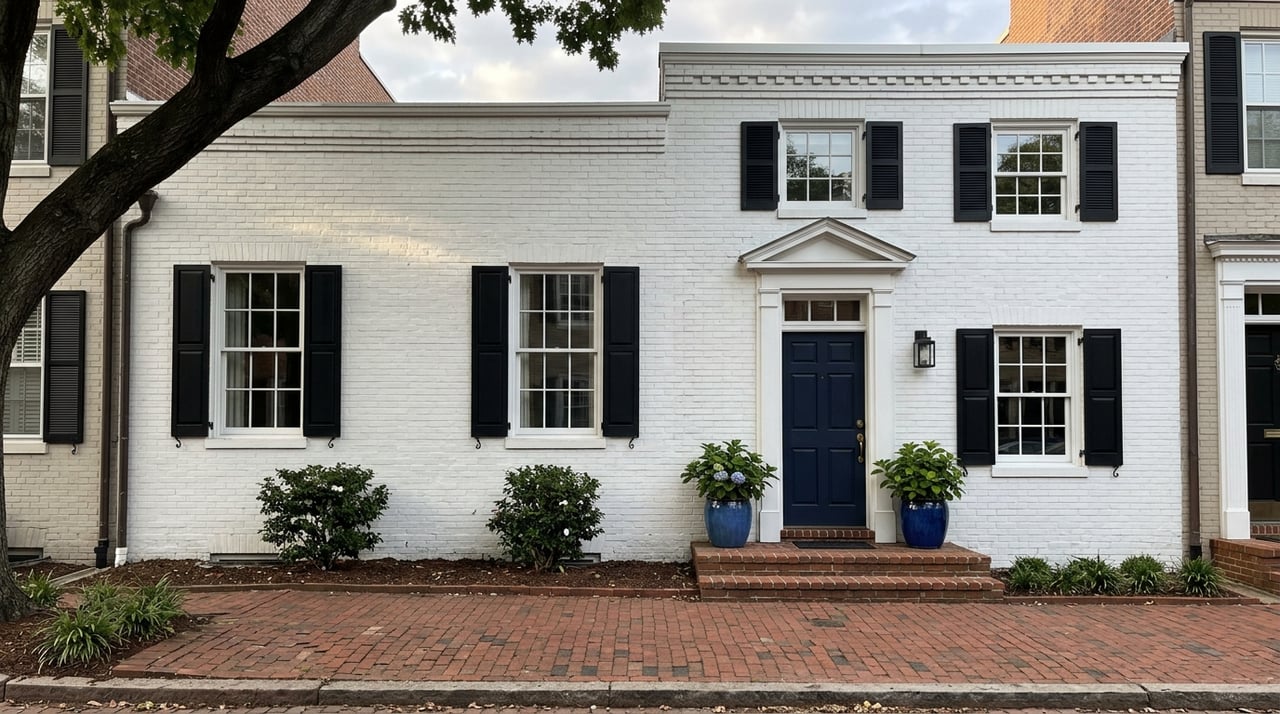
Wondering whether Downtown or Midtown Wilmington fits your day-to-day life better? It is a common question if you are moving within Wilmington, relocating to the area, or trying to narrow your home search by lifestyle instead of just price. The good news is that each area offers a distinct experience, and understanding the difference can help you make a smarter move. Let’s dive in.
Downtown Wilmington at a Glance
Downtown Wilmington is the city’s historic core and a major economic and social hub. According to Wilmington Downtown, iNC, downtown includes about 880 businesses, 7,969 housing units, and more than 13,500 residents. The city’s Greater Downtown Plan also covers 18 neighborhoods around the core.
If you picture brick streets, river views, older buildings, and a more urban rhythm, downtown is likely what comes to mind. It is the part of Wilmington where housing, dining, events, and daily activity are packed closer together. For many buyers, that creates a lifestyle built around convenience, character, and access.
Midtown Wilmington at a Glance
Midtown Wilmington is less formally defined, but local visitor and business materials generally place it in the central corridor between the river and the coast. It often includes areas around 17th Street, South College Road, Carolina Beach Road, and parts of Market Street, though boundaries can vary depending on who you ask.
In practical terms, Midtown is more spread out than downtown. It tends to be defined by major roads, shopping areas, recreation spots, and residential communities rather than one compact core. That makes it a useful option if you want central access to many parts of Wilmington without living in the downtown environment.
Housing in Downtown Wilmington
Downtown housing is typically more urban in form and scale. City planning materials describe the area as a mixed-use environment, with residential units often located above street-level commercial space. The city estimates more than 6,400 residential units in Greater Downtown, including 1,034 in the Downtown Core, with more than 800 additional units under construction, permitted, or approved.
Wilmington Downtown, iNC also reports that more than $650 million has been invested in downtown apartments, condos, and hotels since 2014, with more than 1,100 new housing units added. That tells you a lot about the kind of inventory you are likely to see. Downtown buyers will often find condos, loft-style apartments, townhomes, historic houses, and adaptive-reuse properties rather than large-lot suburban-style homes.
If you are drawn to older architecture or historic charm, downtown may stand out. However, it is also important to know that exterior changes in local historic districts may require a Certificate of Appropriateness from the city. That does not make ownership harder by default, but it does mean you should understand any review requirements before planning renovations.
What Downtown Housing Often Suits
Downtown often appeals to buyers who want:
- Condos, apartments, or townhomes with lower exterior maintenance
- Historic homes where character is a major draw
- A more compact, mixed-use setting
- Close access to restaurants, arts, riverfront spaces, and events
Housing in Midtown Wilmington
Midtown’s recent development pattern leans more toward newer apartment and townhome communities. Local reporting highlights projects around Barclay and South Front, including the 405-unit Element Barclay, the 286-unit Element Barclay Station, a proposed 290-unit Element Barclay Flats, and 72 townhomes at The Pointe at Barclay.
That pattern suggests Midtown is a stronger match if you want newer multifamily options and communities built around modern amenities. Compared with downtown, Midtown generally has less historic-review complexity and a more spread-out residential layout. While the area is not defined by one single housing type, buyers are more likely to encounter newer townhome and apartment communities in Midtown than in the downtown core.
What Midtown Housing Often Suits
Midtown often appeals to buyers who want:
- Newer construction or recently built communities
- Amenity-driven apartment or townhome options
- Easier access to major roads for daily driving
- A more spread-out setting than the downtown core
Lifestyle and Walkability
One of the biggest differences between Downtown and Midtown Wilmington is how you move through the day. If your ideal routine includes walking to dinner, grabbing coffee nearby, or taking an evening stroll without getting in the car, downtown has the clear edge.
The Riverwalk runs 1.75 miles along the Cape Fear River in historic downtown. It connects with the River to the Sea Bikeway and the East Coast Greenway, and it provides access to parks, shopping, dining, museums, river views, and public docking. That setup supports a lifestyle where many activities can happen within the core.
Midtown works differently. Its destinations are more spread across separate shopping, recreation, and service nodes. Local visitor materials point to destinations such as Airlie Gardens, the New Hanover County Arboretum, Wilmington Municipal Golf Course, Jungle Rapids Family Fun Park, Mayfaire Town Center, Lumina Station, and Independence Mall.
Because those places are not gathered into one continuous walkable district, Midtown usually feels more convenient for driving than for a walk-everywhere routine. That does not make it less appealing. It simply means the lifestyle is more access-focused than pedestrian-focused.
Shopping, Dining, and Recreation
Downtown Wilmington offers a concentrated experience. Businesses, dining, entertainment, and public spaces are packed into a relatively close area, which can make spontaneous plans easier. If you enjoy being near a steady mix of shops, waterfront views, and cultural activity, downtown may feel more natural.
Midtown offers variety through separate commercial hubs. Mayfaire alone is described as an outdoor shopping center with more than 100 stores, 20 restaurants, and 3 hotels. That kind of setup can make Midtown especially practical if you want broad retail access, familiar conveniences, and a central location for errands and recreation.
Transportation and Commute Patterns
Transportation style is another major factor when comparing these two areas. Downtown tends to work well for buyers who want the option to walk, bike, or use transit more often. Midtown tends to work better for buyers who expect to drive most days and want quick access to major roads.
Wave Transit serves both areas. Its current fixed-route system includes Route 107 College Road and Route 206 Oleander Drive, plus routes serving Market Street and the Greenfield and 17th Street corridor. Downtown also has the fare-free Port City Trolley running seasonally on Front Street from April through September.
For drivers, the city’s planning materials classify College Road and Oleander Drive as major arterials, with reported 2013 traffic volumes of 64,576 and 31,754 vehicles per day, respectively. That helps explain why Midtown can be convenient for regional access while also seeing heavier traffic on key corridors.
Parking in Downtown
Parking is part of the downtown conversation, but it is helpful to frame it accurately. The city manages more than 2,600 on-street metered spaces and 3,346 off-street public parking spaces downtown. In many cases, the issue is less about total supply and more about convenience, pricing, and event-day availability.
If you are considering a downtown property, it is smart to review parking arrangements early. That includes asking about assigned spaces, nearby public options, and any building-specific rules or costs.
Which Area Fits Your Lifestyle Best?
There is no one-size-fits-all answer between Downtown and Midtown Wilmington. The better choice depends on how you want to live, what kind of home you prefer, and how you expect to move through your week.
Downtown May Fit Better If You Want
- A more urban, mixed-use setting
- Walkable access to dining, events, and the riverfront
- Historic character or adaptive-reuse properties
- Condo, apartment, or townhome living with less yard maintenance
- More opportunities to bike, walk, or use transit
Midtown May Fit Better If You Want
- Easier driving access to shopping and recreation
- Newer apartment or townhome communities
- A central base between multiple Wilmington destinations
- Convenience for errands, appointments, and beach-bound travel
- A more spread-out daily routine built around major corridors
How to Narrow Your Search
If you are still deciding between Downtown and Midtown Wilmington, start with your routine rather than your wishlist alone. Think about where you spend your time, how often you drive, and whether you value character, convenience, or newer construction most.
It also helps to compare practical details property by property. In downtown, that may mean looking closely at parking, HOA rules, and historic-district considerations. In Midtown, it may mean comparing access to major roads, nearby shopping nodes, and the feel of newer residential communities.
A local agent can help you sort through those tradeoffs in a way that fits your goals. That is especially useful in a market like Wilmington, where two areas can feel very different even when they are both centrally located.
If you are weighing Downtown versus Midtown Wilmington and want steady, local guidance, Tatum Realty LLC can help you compare neighborhoods, property types, and lifestyle fit so you can move forward with confidence.
FAQs
What is the main difference between Downtown and Midtown Wilmington?
- Downtown Wilmington is a compact historic core with a more walkable, mixed-use lifestyle, while Midtown Wilmington is a more spread-out central area built around major roads, shopping nodes, and drive-to convenience.
What types of homes are common in Downtown Wilmington?
- Downtown Wilmington buyers are more likely to find condos, loft-style apartments, townhomes, historic houses, and adaptive-reuse properties rather than large-lot suburban-style homes.
What types of homes are common in Midtown Wilmington?
- Midtown Wilmington tends to offer more newer apartment and townhome communities, especially in development areas around Barclay and South Front.
Is Downtown Wilmington more walkable than Midtown Wilmington?
- Yes. Downtown Wilmington is generally the city’s most walkable area, helped by the Riverwalk, connected biking routes, and the concentration of dining, shopping, and recreation in the core.
Is Midtown Wilmington better for drivers?
- In many cases, yes. Midtown Wilmington usually works better for people who expect to drive most days and want access to major corridors like College Road, Oleander Drive, Carolina Beach Road, and Market Street.
Do Downtown Wilmington historic properties come with extra rules?
- They can. Exterior changes in local historic districts may require city review through a Certificate of Appropriateness, so it is important to check those requirements before making renovation plans.
Is parking hard in Downtown Wilmington?
- Downtown Wilmington has a large public parking supply, including metered and off-street spaces, so the bigger concerns are often convenience, cost, and event-day availability rather than a complete lack of parking.