Have you heard that in North Carolina you might write a check to the seller on day one? If you are buying or selling in Wilmington or anywhere in New Hanover County, the due diligence fee and earnest money work differently than in many states. You want to protect your money, move fast on inspections, and write a strong offer in a coastal market. This guide breaks down how each deposit works, what is refundable, and how to use these tools to your advantage. Let’s dive in.
Quick overview: two payments, two purposes
- Due Diligence Fee (DDF): A negotiated payment directly to the seller for giving you an unrestricted right to terminate during the Due Diligence Period. Usually non-refundable, but credited to you at closing if the sale completes.
- Earnest Money (EM): A deposit held in escrow to show good faith. It is applied to your purchase at closing or returned/forfeited based on contract terms and timing.
In North Carolina, both amounts are negotiated in your offer. They work together but serve different purposes.
What is the due diligence fee?
The due diligence fee compensates the seller for taking the home off the market while you investigate the property.
Who receives it
You pay the DDF to the seller at the start of the contract. It is not typically held in an escrow account for you.
Refundability and credit at closing
- If you terminate within the agreed Due Diligence Period, the seller keeps the DDF.
- If you close, the DDF is usually credited toward your purchase price or closing costs.
- If you terminate after the Due Diligence Period ends without a permitted reason, the seller keeps the DDF and you may also lose earnest money.
Why sellers value it
A meaningful DDF signals commitment and gives the seller immediate compensation for time off market. In competitive Wilmington-area listings, stronger DDF amounts can make your offer stand out.
What is earnest money?
Earnest money is a good-faith deposit that adds security to the contract.
Who holds it and how it is handled
It is held in an escrow or trust account, commonly with the closing attorney or a brokerage named in the contract. It is applied to your purchase at closing or disbursed according to the contract.
When it is refundable
Earnest money is refundable only if the contract allows it. If you cancel during the Due Diligence Period or under an allowed contingency, it is typically returned. If you default after contingencies and deadlines, the seller may keep it and may pursue other remedies depending on the contract and facts.
Timelines and the Due Diligence Period
The Due Diligence Period is the time you have to do inspections, verify financing, review HOA documents, order a survey, check title and insurance, and handle coastal-specific investigations.
Typical lengths in New Hanover County
The length is negotiated. In the Wilmington area, 7 to 14 days is common. In a hot market, buyers may offer a shorter window. In slower conditions, you might negotiate more time.
Earnest money delivery
Your offer names the escrow agent and the deposit deadline. Common practice is delivery within a few business days of acceptance, but the exact timing is negotiated.
How refunds and losses can play out
Here is a simple example to make it concrete.
- Purchase price: $400,000
- Due Diligence Fee: $2,000
- Earnest Money: $6,000
- Due Diligence Period: 10 days
What can happen:
- You cancel on day 7. The seller keeps the $2,000 DDF. Your $6,000 earnest money is returned to you.
- You cancel on day 12 for a reason not allowed under the contract. The seller may keep both the $2,000 DDF and the $6,000 earnest money. The seller could also seek additional damages depending on the facts.
- You close on the home. Both amounts are credited to you at closing and reduce your cash to close.
Financing, appraisal, and cancellations
Many North Carolina contracts include a financing or loan clause with a deadline. If your loan is denied before that deadline and you give proper notice, earnest money is usually returned. The DDF is typically still handled per the due diligence rules and often remains with the seller unless your contract provides a specific right to recover it. The exact interplay depends on the final, signed contract.
Wilmington and New Hanover County factors to consider
Buying or selling in a coastal county brings extra checks that affect your timing and strategy.
Flood zones and insurance
- Confirm whether the property is in a flood zone and review any available elevation certificate.
- Get early quotes for homeowners, wind/hurricane, and flood insurance. Insurance cost and availability can impact your loan approval and monthly budget.
Waterfront and coastal inspections
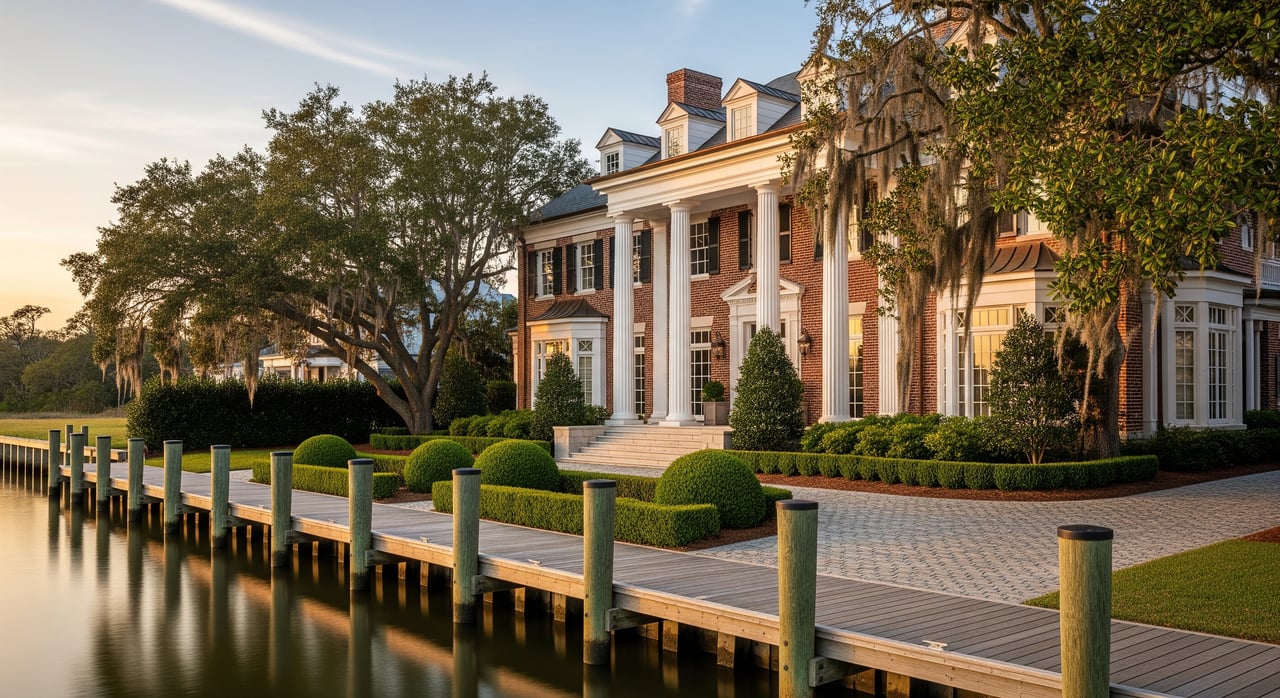
- If the property is waterfront or near the water, consider inspections for seawalls, bulkheads, pilings, and shoreline stability.
- These inspections may require specialists and can take time, so plan your Due Diligence Period accordingly.
Septic, sewer, and wells
- Verify whether the home connects to municipal sewer or uses a septic system. If septic, plan an inspection and confirm permits.
HOA and rental rules
- Review HOA documents and any rental restrictions during due diligence, especially if you are considering short-term rentals in beach communities like Wrightsville Beach, Carolina Beach, or Kure Beach.
Local closing practice and escrow
- North Carolina closings are typically handled by closing attorneys who also hold earnest money in trust.
- If you are relocating, connect with the closing attorney early to coordinate wires and documents.
Wire fraud prevention
- Always confirm wiring instructions by calling a verified phone number for the attorney’s office.
- Do not rely only on email for last-minute changes. Verify details directly before sending funds.
Negotiation tips for buyers
- If competing, consider a larger DDF and a shorter Due Diligence Period. Sellers value certainty and immediate compensation.
- If you want more protection, keep the DDF lower and negotiate a longer Due Diligence Period, paired with a solid earnest money amount in escrow.
- If you are relocating, build in time for coastal inspections, insurance quotes, and lender conditions.
Negotiation tips for sellers
- Weigh offers that include a larger non-refundable DDF, higher earnest money, and shorter Due Diligence Periods.
- Look closely at the buyer’s financing strength. A strong preapproval or cash can justify a shorter timeline.
Buyer checklist for the Due Diligence Period
- Schedule a general home inspection and any needed coastal specialists.
- Order a survey or confirm an existing one and check setbacks.
- Finalize loan conditions and appraisal timing with your lender.
- Get insurance quotes for homeowners, wind/hurricane, and flood coverage.
- Review HOA documents, covenants, and rental rules.
- Confirm title work is underway and review exceptions.
- Verify utilities and, if applicable, septic system inspections and permits.
- If relocating, plan logistics for utilities, mail, and commuting.
Seller checklist to speed up your sale
- Decide your preferred DDF, earnest money, and Due Diligence Period terms for your market conditions.
- Gather permits, past inspection reports, HOA documents, and utility info to share quickly.
- Consider pre-listing inspections to reduce buyer objections.
- Confirm who will hold earnest money and the delivery timeline in the contract.
What to confirm in your contract
- The DDF amount and whether it will be credited at closing.
- The length of the Due Diligence Period and related deadlines.
- The earnest money amount, escrow agent, and deposit deadline.
- All contingencies and their notice requirements.
- How termination notices must be delivered and by when.
Bottom line
In North Carolina, the due diligence fee and earnest money are both essential, but they play different roles. The DDF pays for your right to walk away during the Due Diligence Period and is usually non-refundable. Earnest money sits in escrow and is returned or forfeited based on the contract and timing. In New Hanover County’s coastal market, sharpen your timeline, tackle flood and insurance questions early, and use DDF, EM, and your Due Diligence Period to craft a strong, practical deal.
Ready to plan a smart strategy for Wilmington and the beaches? Reach out to the local team at Tatum Realty LLC to talk through your goals and the best way to structure your next offer.
FAQs
What is the difference between NC due diligence fees and earnest money?
- The due diligence fee is paid to the seller for your right to terminate during due diligence, while earnest money is held in escrow and is returned or forfeited based on contract terms and timing.
How long is the Due Diligence Period in Wilmington, NC?
- It is negotiated, but 7 to 14 days is common in New Hanover County. Hot listings may push for shorter periods.
Is the due diligence fee refundable if my loan is denied?
- Usually no. Loan denial often affects earnest money, not the DDF, unless your contract provides a specific right to recover it.
Who holds earnest money in North Carolina?
- The escrow agent named in the contract, commonly the closing attorney’s trust account or a brokerage trust account.
What happens if I cancel after the Due Diligence Period ends?
- You may lose both the DDF and your earnest money, and the seller could pursue other remedies depending on the contract.
Are flood zone checks and insurance quotes part of due diligence in New Hanover County?
- Yes. Confirm flood zones, review elevation data if available, and obtain homeowners, wind/hurricane, and flood insurance quotes early.
How can I make my offer stronger in a competitive Wilmington market?
- Consider a larger DDF, a shorter Due Diligence Period, and strong financing or proof of funds, while completing key checks quickly.