Buying your first home in Elizabethtown can feel big, but it does not have to be complicated. You want clear steps, local price context, and straightforward advice about loans, inspections, and closing. This guide breaks it all down for Elizabethtown and nearby Bladen County so you can move forward with confidence. Let’s dive in.
Elizabethtown buyer snapshot
Published medians vary by source because each provider looks at different timeframes and property types. Recent snapshots show a typical home value around $143,000 per Zillow and a median sale price near $177,000 per Realtor.com, while county-level medians often land in the low to mid $200,000s. A practical first-time buyer band for Elizabethtown is about $100,000 to $260,000 for modest ranches, older single-family homes, manufactured homes, and some condos near White Lake. Inventory moves at a measured pace, with a recent days-on-market reading around 85 days on Realtor.com, so you have time to look, but well-priced homes still draw quick interest.
If you plan to buy soon, ask your agent for the most recent MLS numbers before you write an offer. Local data shifts month to month and by neighborhood pocket.
Where to look
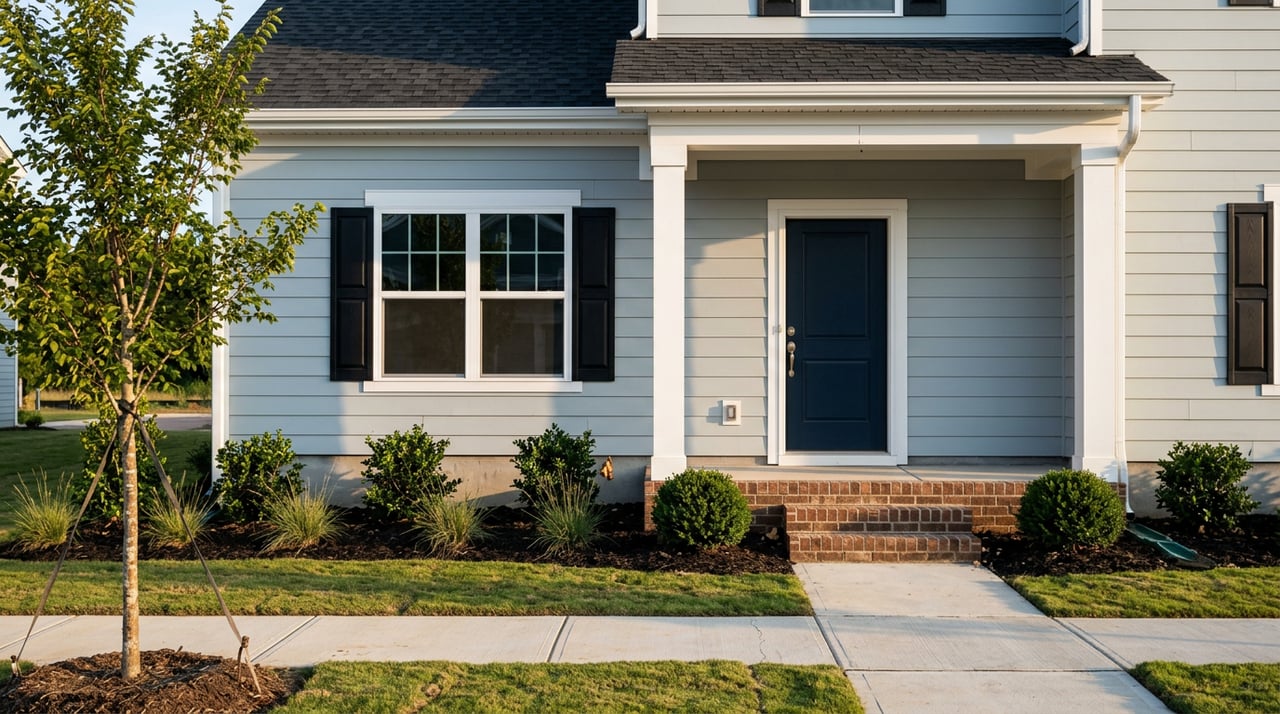
Elizabethtown is a small town with several compact subdivisions and many single-lot neighborhoods rather than large master-planned communities. You will see names like Holiday Park, Borden Heights, Briarwood or Stonebridge pockets, and River Bluff or Lake Place near White Lake. Housing stock leans toward mid-to-late 20th-century single-story ranches with some newer builds mixed in, plus scattered manufactured homes.
If you are flexible on style, consider condos near White Lake as an alternate entry point. Some units price in the local starter range and can reduce exterior maintenance responsibilities.
Step-by-step buying plan
Get pre-approved early
Start with a lender pre-approval so you know your price range and monthly payment. In North Carolina, many first-time buyers benefit from the North Carolina Housing Finance Agency’s options:
- NC Home Advantage Mortgage offers a fixed-rate loan with possible down payment assistance for eligible buyers. Review program details on the NCHFA site and ask your lender if they participate. Learn more about down payment assistance.
- NC 1st Home Advantage Down Payment can provide $15,000 in assistance for eligible first-time buyers or veterans. This option is administered through participating lenders. See the same NCHFA resource above for eligibility and next steps.
- Mortgage Credit Certificate, also known as the NC Home Advantage Tax Credit, can reduce your federal tax bill by up to $2,000 per year, improving affordability. You must apply through a participating lender before closing. See how the tax credit works.
If you are buying with little or no down payment, also ask about USDA, FHA, and VA options:
- USDA Rural Development loans often apply in and around Elizabethtown and can offer 100 percent financing if you and the property meet eligibility rules. Check a property’s status using the USDA eligibility tool.
- FHA lowers down payments for many buyers to as little as 3.5 percent and may be easier to qualify for than some conventional loans.
- VA loans provide zero down for eligible veterans and service members.
Hunt smart and make offers
With pre-approval in hand, you can tour quickly and write stronger offers. Focus on move-in costs and long-term upkeep. In our area, pay close attention to:
- Roof age and condition
- HVAC age and service history
- Foundation type and crawlspace conditions
- Whether the property is on municipal water and sewer or on a private well and septic
If a home checks the boxes, your agent will guide you on price, terms, and any seller concessions that fit your loan type and the home’s condition.
Due diligence and inspections
North Carolina buyers typically hire a licensed home inspector and order a set of targeted inspections during the due-diligence period. Plan for the following:
- General home inspection by a licensed professional. Typical cost is about $300 to $500 depending on size. Verify your inspector’s North Carolina license through the state’s licensure board. Check NC home inspector licensing.
- Wood-destroying organism, or termite, inspection. FHA and VA loans often require it. If a report shows activity, treatment and repairs may be required before closing. See why WDO inspections matter for VA buyers.
- Private well water test if the property uses a well. In the lower Cape Fear region, PFAS, including GenX, has been a concern. Order a certified water panel that includes bacteria and nitrates, and consider regional contaminants when recommended. Read state guidance on GenX and PFAS.
- Septic system review if the home is not on sewer. Ask for the permit, pump records, and an inspection if appropriate. Bladen County Environmental Health can provide permit history for many properties.
Bring issues to your agent early so you can negotiate repairs, credits, or due-diligence extensions when needed.
Appraisal, title, and closing
Once under contract, your lender orders an appraisal to confirm value. In North Carolina, a settlement attorney typically handles title search, recording, and disbursement. You will purchase a lender’s title policy if you have a loan, and you may choose to secure an owner’s title policy as well. Your agent and closing attorney will help you confirm if a new survey is recommended based on property type and prior records.
Your lender must provide two key disclosures:
- Loan Estimate early in the process. Use it to understand projected interest rate, monthly payment, and closing costs.
- Closing Disclosure at least three business days before settlement. Compare it line by line to your Loan Estimate and ask your lender or attorney to explain any differences.
Financing paths that work here
Here is a quick reference you can discuss with your lender and agent:
- Conventional with NCHFA DPA. Fixed-rate financing plus down payment help when eligible. Review NCHFA down payment assistance.
- NC 1st Home Advantage Down Payment. $15,000 in assistance for eligible first-time buyers or veterans through participating lenders.
- NC Home Advantage Tax Credit. An MCC that can lower your federal tax bill annually if you qualify. Understand the MCC.
- USDA Rural Development. 100 percent financing in eligible areas with income and property limits. Check USDA property eligibility.
- FHA. Lower down payment and flexible credit standards for many first-time buyers.
- VA. Zero down for eligible veterans and active-duty service members.
Many assistance programs require buyer education and participating lenders. Ask your lender early about course requirements and timelines.
Closing costs and property taxes
Plan for 2 to 5 percent of the purchase price in closing costs, including loan fees, appraisal, title charges, prepaid insurance, taxes, and escrow deposits. Here is a helpful national overview of typical closing costs.
In North Carolina, buyers also see a state mortgage tax around $1 per $500 of the new loan amount. Confirm the current calculation with your closing attorney and rely on your Loan Estimate and Closing Disclosure for precise figures. See a North Carolina-specific closing cost summary.
Property taxes in Bladen County are generally modest compared with many U.S. counties. Third-party summaries show median effective rates around the 0.8 to 0.9 percent range, but you should always confirm the parcel’s exact bill with the county tax assessor and check the current Town of Elizabethtown rate when estimating your annual total. Review Bladen County tax trends.
Commutes and daily life
Elizabethtown sits on key regional routes. US 701 runs north to south through town, and NC 87 connects you toward Fayetteville and Wilmington corridors. Typical non-peak drive times are about 35 to 50 minutes to Fayetteville and roughly 50 to 65 minutes to Wilmington. Fayetteville Regional Airport is often 40 to 50 minutes by car, depending on your starting point. Always map your actual route and shift. For reference, see estimated drive times between Elizabethtown and Fayetteville. Check a sample distance and time.
Schools and boundaries
Elizabethtown is served by Bladen County Schools. Commonly referenced schools include Elizabethtown Primary, Elizabethtown Middle, and East Bladen High. Attendance boundaries can change, and performance data updates over time. Always verify the current school assignment and any program details directly with the district before you make final decisions.
How your local agent helps
A strong local agent makes this process simpler. Your agent will:
- Share real-time price data and recent comparable sales so you do not overpay.
- Flag property-specific issues common in our market and coordinate trusted inspectors.
- Guide you through well, septic, and termite due diligence so there are no surprises.
- Connect you with participating lenders who offer NCHFA programs and USDA options.
- Keep your timeline on track through appraisal, title work, and closing.
Ready to take the first step? Connect with the local, family-rooted team at Tatum Realty LLC for clear guidance from pre-approval to closing.
FAQs
How much down payment does a first-time buyer in Elizabethtown need?
- It depends on your loan. USDA and VA can be zero down if eligible. FHA often starts at 3.5 percent. With NCHFA down payment assistance, you may reduce or cover part of your upfront funds.
Are there down payment grants or assistance programs in Bladen County?
- Yes. NCHFA offers down payment assistance through its NC Home Advantage Mortgage and the NC 1st Home Advantage Down Payment for eligible buyers. Some programs require buyer education and participating lenders.
What inspections should I never skip in this area?
- Always get a licensed general home inspection, a WDO or termite inspection when required, a certified well test if on private water, and a septic review if not on sewer.
Is Elizabethtown eligible for USDA loans?
- Many properties in and around Elizabethtown fall within USDA-eligible areas, but you must verify both income and property eligibility using the USDA tool.
What are typical closing costs for first-time buyers in North Carolina?
- A useful rule of thumb is 2 to 5 percent of the purchase price for closing costs, plus a state mortgage tax near $1 per $500 of the new loan amount. Your Loan Estimate and Closing Disclosure will show exact figures.